


HackMate
Your Pocket-Sized Programmable USB Platform
Small Device. Serious Possibilities.
Meet HackMate, a compact, RP2350-powered USB-C development platform designed for makers, embedded developers, cybersecurity learners, and hardware enthusiasts.


Combining programmable USB functionality, HID experimentation, physical controls, RGB status feedback, and an open development approach, HackMate brings a versatile hardware experimentation platform into a device small enough to carry in your pocket.
Whether you’re developing custom automation workflows, exploring USB behaviour, experimenting with embedded programming, or building your own hardware tools, HackMate gives you a compact starting point for your next project.
Programmable. Portable. Built for experimentation.
Your next hardware project starts with HackMate.
Big Ideas Don’t Need Bulky Hardware
Traditional development setups can involve multiple boards, cables, adapters, and accessories. That’s useful for complex projects, but not always convenient when you want a compact platform for quick experiments.

HackMate was designed to bring essential programmable hardware capabilities into a small USB-C form factor.
Our goal is simple: make hardware experimentation more accessible, portable, and adaptable for people who enjoy building, testing, and learning.
A Powerful Foundation for Your Projects
At the heart of HackMate is the Raspberry Pi RP2350, a flexible microcontroller designed for embedded development. This hardware foundation gives developers room to explore embedded programming, USB applications, custom interfaces, and experimental tools.

Its compact design makes it easy to carry between your desk, workshop, classroom, and lab.
Less bulk. More room to experiment.
Your Hardware. Your Workflow.
HackMate can be programmed for Human Interface Device (HID) applications, allowing it to interact with compatible systems as a programmable input device.

Explore projects involving:
- Keyboard and mouse automation
- Custom productivity shortcuts
- Media controls
- Accessibility interfaces
- Device interaction experiments
- Authorized security testing
Write your code, configure your workflow, and test your ideas on systems you own or have permission to use.
Write it. Plug it in. Experiment.
One Device. Two USB Roles.
USB offers more than a way to connect a development board to a computer.
HackMate supports USB Host and Device workflows, opening up different possibilities for learning, development, and peripheral experimentation.

USB Device: Configure HackMate to operate as a programmable USB peripheral.
USB Host: Explore interaction with supported USB peripherals.
This flexibility makes HackMate a useful platform for investigating USB behaviour and developing projects involving compatible connected devices.
Actual functionality depends on firmware, hardware configuration, and peripheral compatibility.
Explore. Learn. Test Responsibly.
HackMate is designed to support hands-on exploration of embedded and USB security concepts.

Use it to investigate:
- HID security behaviour
- USB communication and device interaction
- Automation workflows
- Embedded security concepts
- Custom testing tools
- Hardware experimentation
Whether you’re learning in a home lab, developing educational demonstrations, or testing your own systems, HackMate provides a compact platform for practical experimentation.
Your hardware. Your lab. Your experiments.
All security testing should be performed on systems and devices you own or are explicitly authorised to assess.
Two Buttons. More Control.
HackMate includes two physical controls to make programming and experimentation more convenient.

- Boot Button – Access boot and programming workflows.
- Programmable Button – Assign supported actions, triggers, or shortcuts through your firmware.
Use the controls to create your own interaction model and make your projects easier to operate.
Your workflow, your way.
See What’s Happening
HackMate’s RGB status indicators provide visual feedback for your applications and scripts.

Depending on your firmware, configure colour states for:
- Ready
- Running
- Success
- Error
- Custom status
Check the status of your experiment at a glance, without needing to keep a terminal window open.
One glance. Instant feedback.
Familiar Tools. Flexible Development.
HackMate supports development workflows suited to different experience levels and project requirements.

MicroPython — Rapid prototyping and scripting.
CircuitPython — Accessible experimentation and hardware control.
C/C++ — Low-level programming and advanced embedded development.
RP2040 Ecosystem — Explore relevant tools, libraries, and established development practices where compatible with the RP2350 and your chosen software stack.
Choose the environment that fits your project, learn as you build, and develop your own applications.
Understand Your Tools. Shape Your Projects.
HackMate is intended for developers who value transparency, flexibility, and community-driven development.

Our open-development approach aims to help users explore and adapt their workflows through resources such as:
- Example projects
- Firmware and libraries
- Development documentation
- SDK resources
- Community contributions
We want HackMate to be a starting point rather than a closed box: something you can learn from, modify, and build upon.
Start with an example. Build something completely your own.
The exact source repositories, licences, and available resources will be identified in the campaign and project documentation.
Fits Into Your Development Setup
HackMate is designed around USB-C connectivity and familiar embedded development workflows.
Target platforms
- Windows
- Linux
- Android, where supported by the required USB host connection and software
Compatibility varies by operating system, USB role, firmware, permissions, and connected hardware. Check the final documentation for setup instructions and supported configurations.

Trending Projects
Related Projects
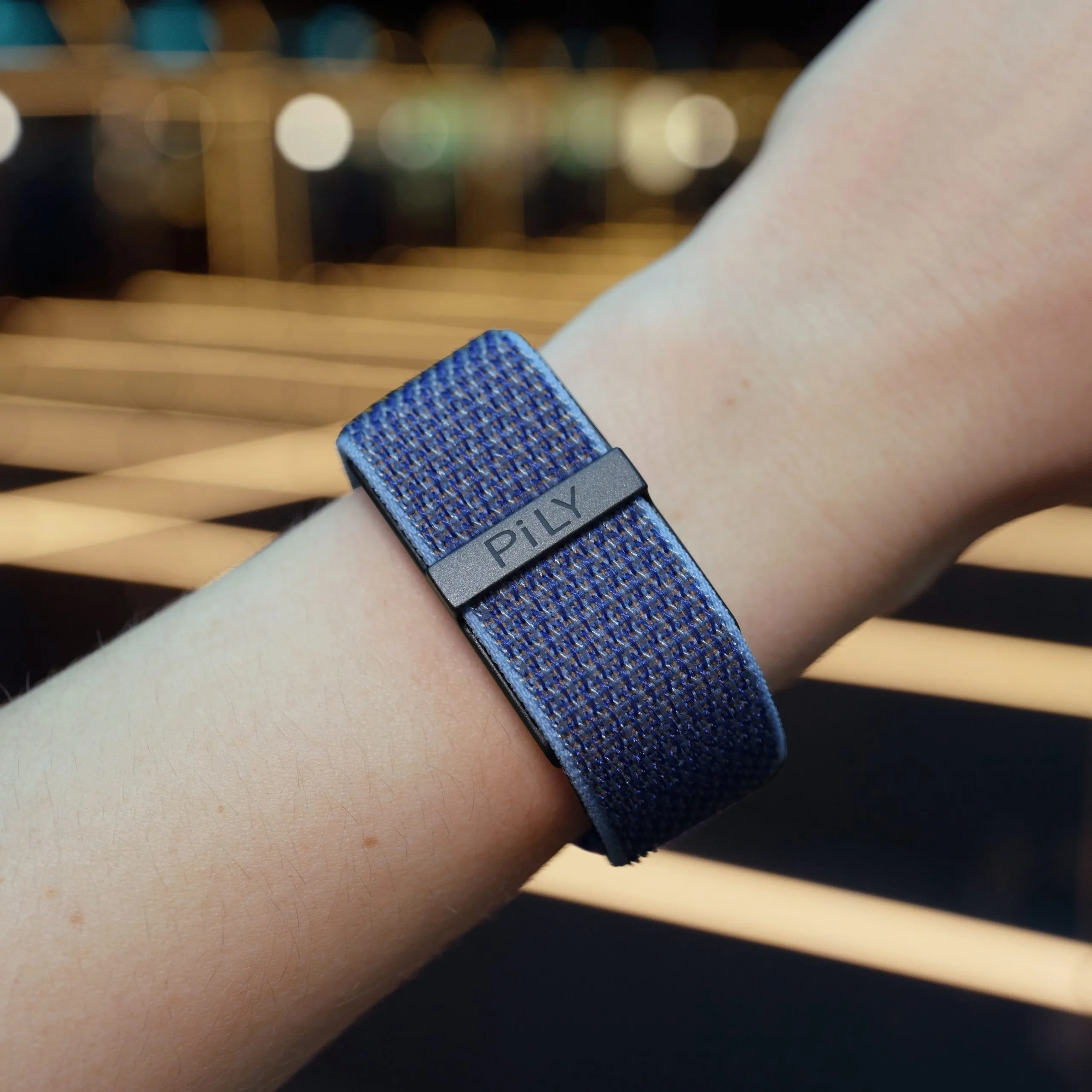
PiLY Review
KICKSTARTECH ReviewPiLY – A wearable AI note-taker and health tracker. Does this combination make sense?Before opening the box, let's talk about smart bands - they have long been around as simple health trackers - counting steps, measuring heart rate, and tracking...
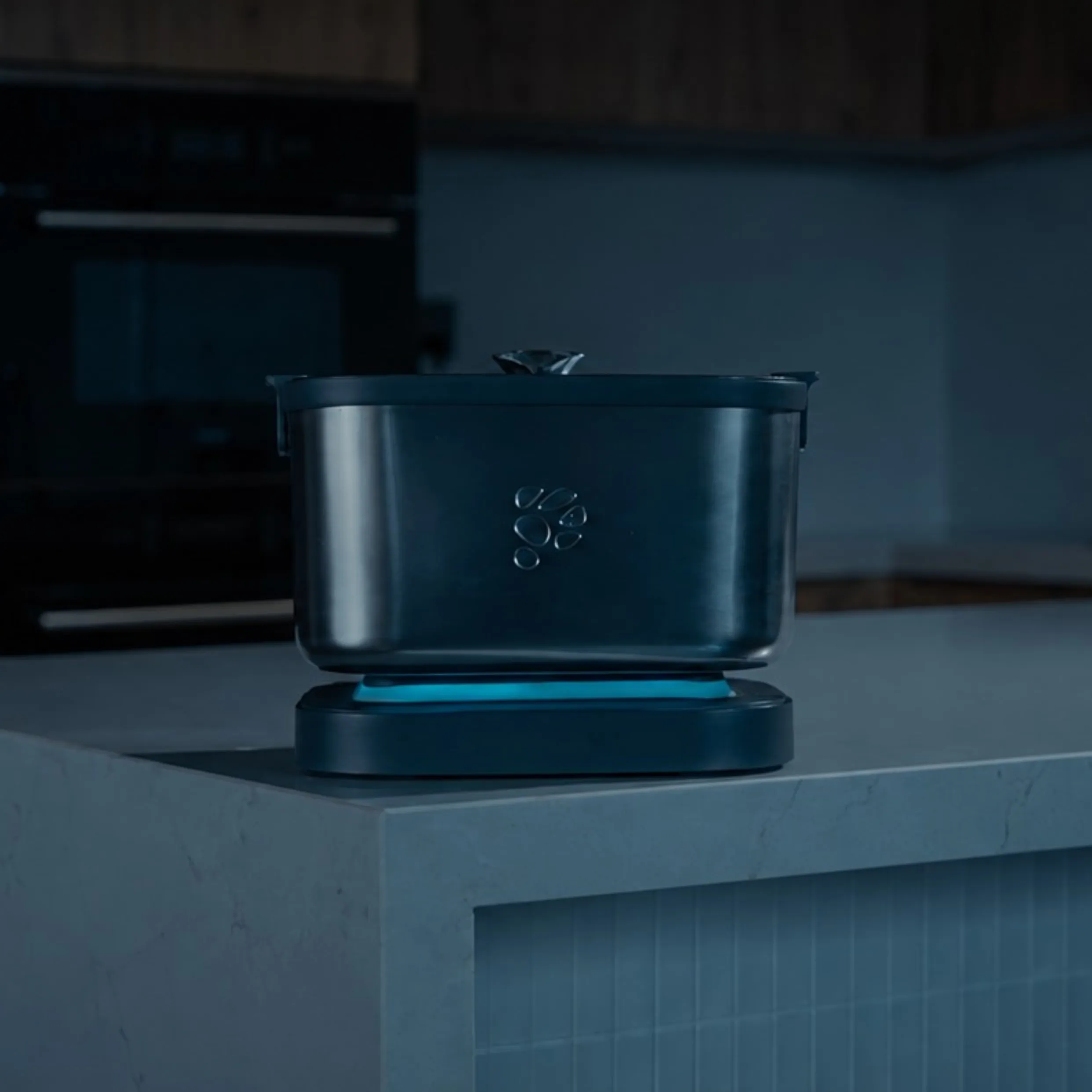
Petnimo 1 Review
KICKSTARTECH ReviewPetnimo 1: Stainless Steel Cat FountainAfter receiving a pre-production unit of the Petnimo 1 Stainless Steel Cat Fountain, we put its 2 biggest claims to the test: Can it truly eliminate the slimy, hard-to-clean mess caused by submerged pumps, and...
Search for awesome projects
You may also be interested in

Xerdeck™ Turns Your Treadmill or Bike Into a Game Controller
Pair a Bluetooth treadmill or indoor bike to Xerdeck and control games on PC, PlayStation, Xbox, Quest 3 and Apple TV

Petnimo 1: Stainless Steel Cat Fountain, No Motor in Water.
304 stainless steel, no submerged motor. 3 flow modes, app reminders, whisper-quiet, 30 days cordless. Cleaner water, less work.
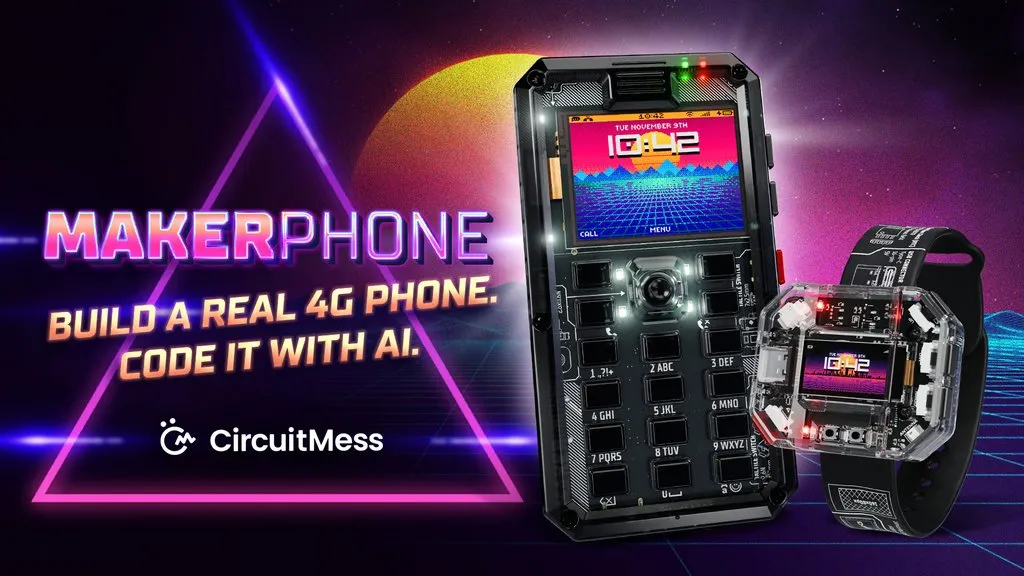
MAKERphone 2.0 – An Educational DIY Mobile Phone
Real 4G Calls & SMS | Build It Yourself | Code in MicroPython & Arduino C++ | AI-Assisted Coding | Add-On Modules | Headphone Jack
You may also be interested in
Xerdeck™ Turns Your Treadmill or Bike Into a Game Controller
Pair a Bluetooth treadmill or indoor bike to Xerdeck and control games on PC, PlayStation, Xbox, Quest 3 and Apple TV
Petnimo 1: Stainless Steel Cat Fountain, No Motor in Water.
304 stainless steel, no submerged motor. 3 flow modes, app reminders, whisper-quiet, 30 days cordless. Cleaner water, less work.
MAKERphone 2.0 – An Educational DIY Mobile Phone
Real 4G Calls & SMS | Build It Yourself | Code in MicroPython & Arduino C++ | AI-Assisted Coding | Add-On Modules | Headphone Jack
